Tikanga Māori: Respectful Travel Guide for Visitors
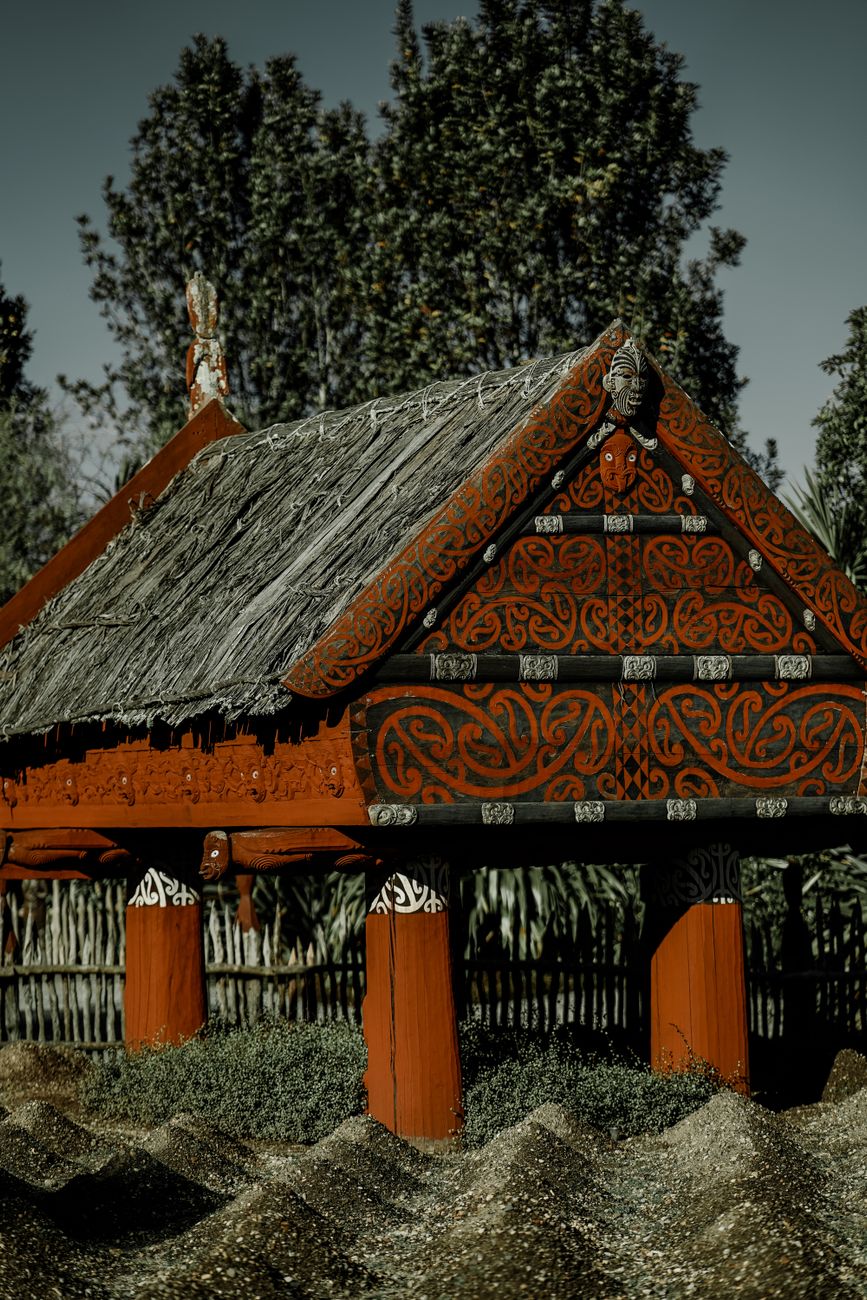
Traveling through New Zealand is more than an encounter with scenery; it is an introduction to the living culture of the Māori people, tangata whenua (the people of the land). Engaging with humility and understanding foundational customs enriches your voyage immeasurably.
Key Concepts Every Traveler Should Know
Māori values are woven into daily life, conservation, and community relations across the nation:
- Manaakitanga: The principle of hospitality, mutual respect, and generosity toward visitors. When welcomed into a Māori space, hosts invest profound care into your well-being.
- Kaitiakitanga: Guardianship and stewardship of nature. The land is not merely an asset to exploit, but an ancestor to be safeguarded for future generations.
- Tapu and Noa: Tapu refers to sacredness or spiritual restriction. Certain ancestral mountains, burial caves (urupā), and geothermal springs possess tapu and should never be approached carelessly or desecrated.
Visiting a Marae (Ancestral Meeting Grounds)
Entering a Marae involves the Pōwhiri — a formal welcoming ceremony that bridges strangers (manuhiri) into friends. Always observe the following guidelines:
- Wait outside the gates until summoned by the karanga (welcoming call).
- Remove your footwear before stepping inside the Wharenui (carved meeting house).
- Do not consume food or beverage inside the sacred carved meeting house.
- Participate warmly in the Hongi (gentle pressing of noses and foreheads), which symbolizes sharing the breath of life (ha).
"Treat the waterways and mountains as living elders. What you offer in respect returns to you in connection."
Supporting Authentic Indigenous Enterprises
When selecting tours, look for operators managed by local iwi (tribes) and hapū (sub-tribes). Whether witnessing traditional waka canoeing in Paihia or taking night walks through ancient Waipoua kauri forests, genuine encounters sustain local cultural preservation.
Experience Authentic Cultural Routes
We connect independent travelers with iwi-led experiences and educational Marae stays.